

CADE showcases SCWG technology in Salamanca during an international event marked by innovation and French–Spanish cooperation
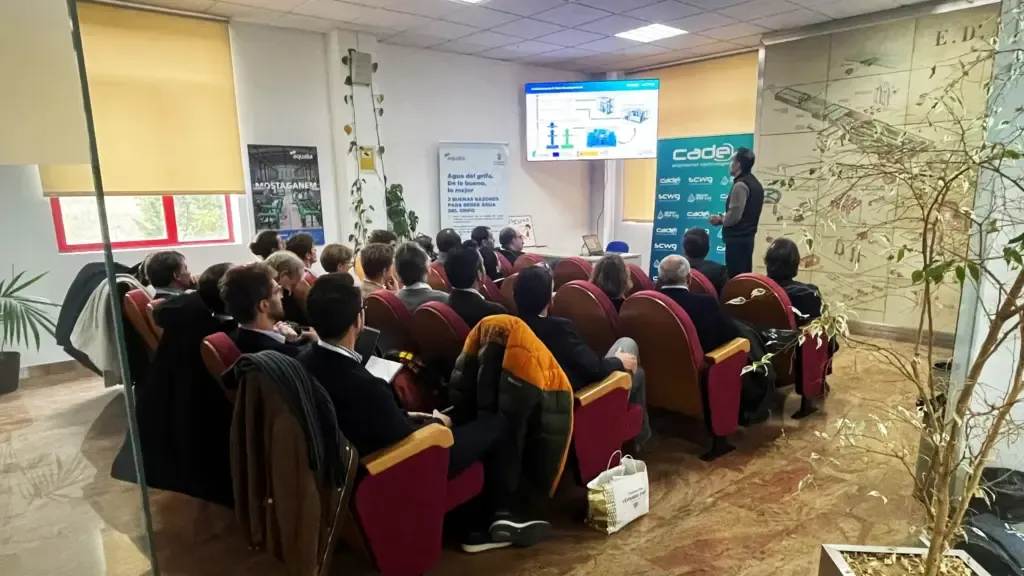
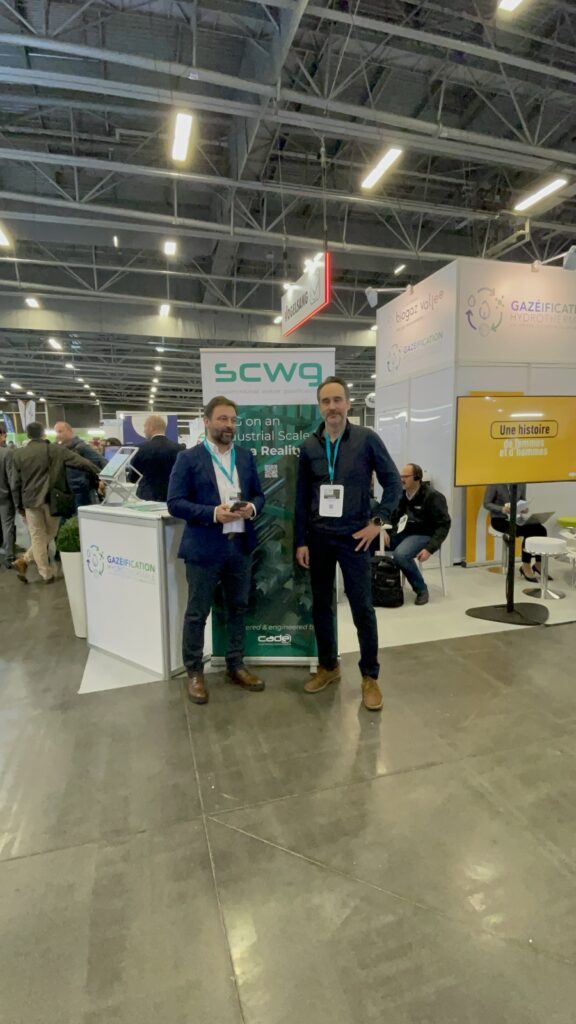
On 24 November, the city of Salamanca hosted a high-level international event focused on innovation applied to the full water cycle and the energy recovery of waste. The meeting brought together institutions, technology companies, operators, research centres and representatives from the energy sector of Spain and France. Organised by CADE together with Aqualia, the event placed sustainable waste transformation through advanced technologies at the centre of the debate and highlighted the growing international interest in next-generation thermochemical conversion processes.
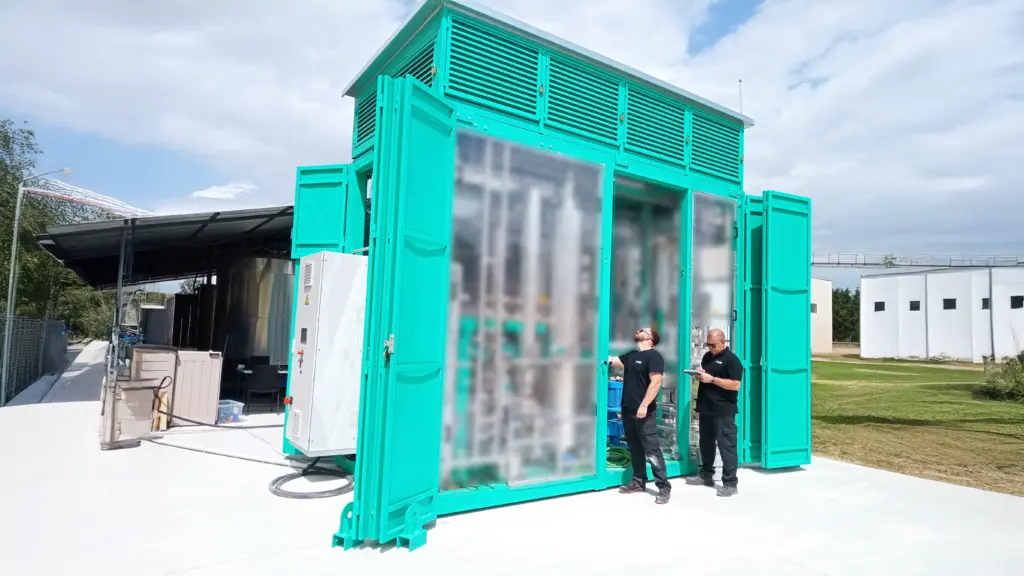
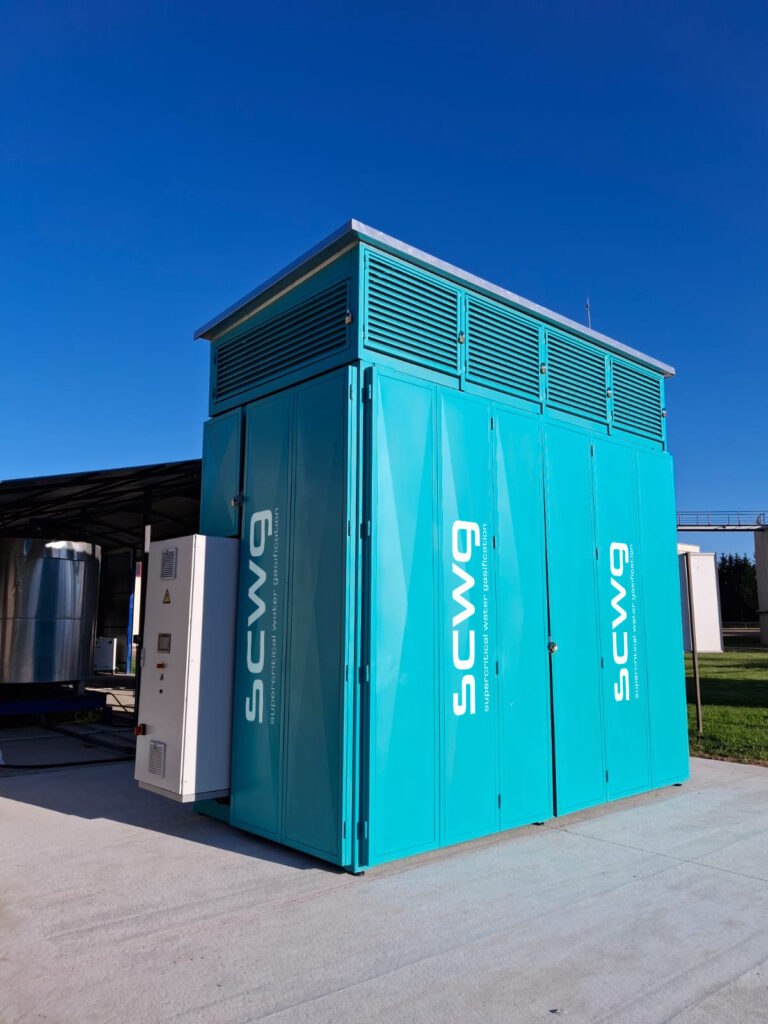
One of the main highlights of the day was the SCWG (Supercritical Water Gasification) technology developed by CADE, a disruptive solution that converts sewage sludge and wet organic waste into renewable gases such as hydrogen and biomethane, using the unique properties of water under supercritical conditions. Validated at demonstration scale at the Salamanca WWTP, this technology represents a qualitative leap forward compared to conventional waste-treatment processes, opening the door to circular energy-production models based on feedstocks that today pose an environmental challenge.
The event began with an institutional opening that underscored Salamanca’s strategic role as a reference hub for innovation in water and energy. Authorities present emphasised the importance of promoting technologies that enable progress towards decarbonisation and climate neutrality, as well as the need to strengthen cooperation between administrations, industry and knowledge centres.
International participation was one of the most notable aspects of the meeting. GRDF led a French delegation made up of energy managers, technical experts and regional representatives from various bodies linked to energy transition, waste management, urban planning and innovation. Their presence highlighted France’s growing interest in technological solutions that expand the availability of renewable gases and advance the shift towards a low-carbon economy.
During the technical sessions, CADE’s experts presented in detail the operation and advantages of the SCWG technology. Topics covered included process efficiency, emissions reduction, elimination of secondary waste, and the ability to obtain high-value renewable gases directly from wet organic streams without the need for prior drying. The industrial flexibility of this process was also highlighted, as it can adapt to wastes of different compositions and operate at multiple scales.
The most anticipated moment of the event was the live demonstration of the SCWG technology at the Salamanca WWTP itself. Attendees were able to observe the system’s operation in real time, from feedstock input to renewable gas production, confirming both the robustness of the process and its industrial feasibility. This demonstration, combining technical rigor with clear explanation, was especially valued by the international guests, who emphasised the importance of solutions capable of transforming wet waste into renewable energy in a direct, continuous and efficient manner.
The event underscored CADE’s role as a technological reference in the development of innovative solutions for energy recovery from waste. The company reaffirmed its commitment to driving technologies that make a real contribution to the circular economy and the energy transition. As its representatives explained, SCWG not only improves waste management but also turns these challenging materials into an opportunity for clean-energy production, supporting the sustainability of cities and industries.
For their part, the French delegation, including representatives from GRDF, regional authorities, research centres and companies, stressed the value of such meetings in strengthening technological cooperation between countries and accelerating the adoption of solutions that contribute to European climate objectives.
The day concluded with an invitation to continue advancing along this line of work and to explore new opportunities for collaboration. Both CADE and Aqualia emphasised the importance of maintaining a shared vision in which engineering, operations and innovation come together to develop scalable and sustainable solutions.
The positive reception of the event, the high technical level of participants and the strong interest shown in advanced conversion technologies reinforce a clear message: energy recovery through SCWG is set to play a decisive role in the future of waste management and renewable-gas production.